Deadwooding & Crown Cleaning
in Cobham
Professional deadwooding and crown cleaning by NPTC qualified arborists with over 50 years of collective experience. Serving residential, commercial and public sector clients.
What is deadwooding?
Deadwooding is the removal of dead, dying, diseased or structurally compromised branches from a tree's crown. As a tree matures it naturally produces deadwood, which is a normal part of its lifecycle.
The issue is not the deadwood itself, but where it falls. A dead branch over a garden, footpath, car park, play area or building can drop without warning, especially in high winds or after wet weather adds weight. Dead wood is often brittle and decayed inside, and can fail at a fraction of the load healthy wood would take.
Deadwooding targets and removes these hazard branches in a controlled, planned way, reducing the risk to people and property below without affecting the living crown.

What is crown cleaning?
Crossing, rubbing or co-dominant branches likely to damage each other over time.
Branch stubs from previously broken or poorly pruned branches, which are entry points for decay.
Excessive epicormic growth (water shoots) cluttering the crown structure.
Climbing plants such as ivy, which hide weaknesses, add weight and can suppress the tree’s own foliage.
Debris in branch unions, holding moisture and encouraging fungal activity at important junctions.
Essentially a health and housekeeping operation that stops minor issues compounding over time.
Why regular deadwooding is important
The consequences of untreated deadwood are straightforward: dead branches fall. The question is when, and on to what.
Protects property: Reduces the risk of falling branches striking buildings, vehicles, fences or hard landscaping.
Protects people: Safeguards areas used by pedestrians, children and vehicles below the tree.
Improves health: Removes material that harbours fungal decay and disease before it spreads into healthy tissue.
Allows inspection: Reveals cavities, fungal fruiting bodies and structural issues hidden by dense live growth.
Improves appearance: Particularly when combined with a crown clean to remove water shoots and debris.
Supports compliance: Helps landowners, councils, schools and housing associations meet duty-of-care obligations.
When deadwood should be left in place
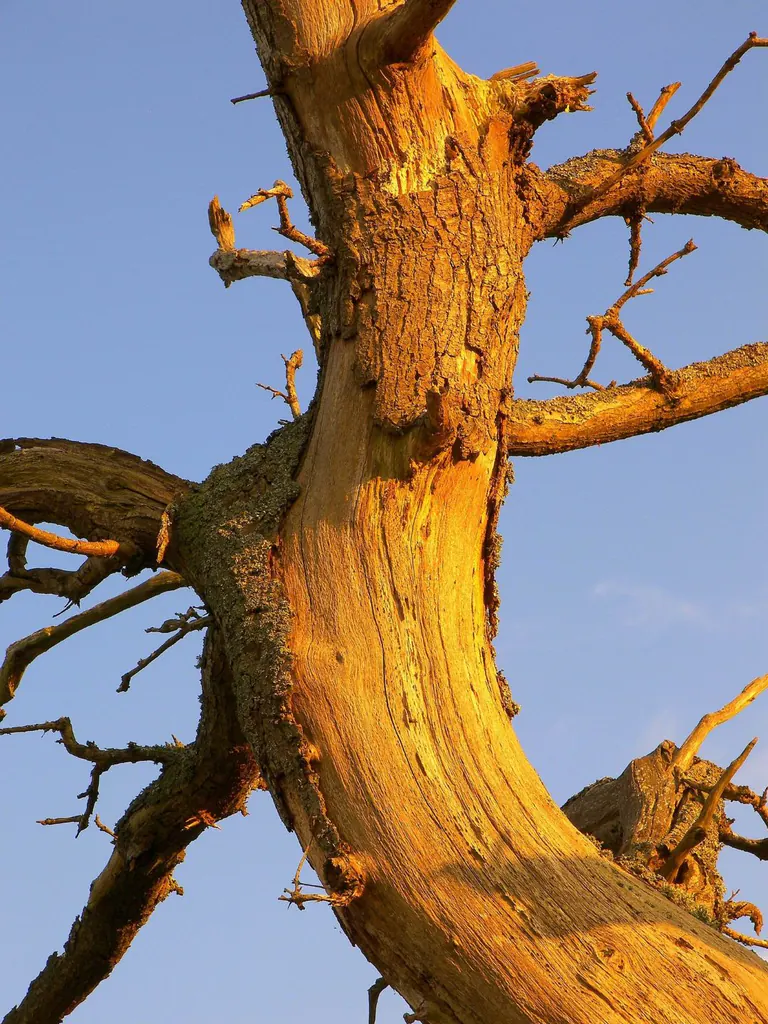
Not all deadwood should be removed. Dead wood is one of the most valuable wildlife habitats in the UK, supporting over 1,700 species of invertebrate along with specialist fungi, lichens, mosses, birds and bats. Some of the most threatened species, including the stag beetle, depend entirely on decaying wood.
The Arboricultural Association is clear that removal should be proportionate to the identified risk, not simply comprehensive. Deadwood that is not over a path, building, vehicle or occupied area often does not need removing at all. Where a branch over a sensitive spot needs addressing but has real habitat value, shortening rather than full removal is often the right compromise. We always recommend the proportionate approach.

How we carry out deadwooding
Before any work begins, we carry out a thorough assessment, establishing what deadwood is present, how large it is, its condition, whether it is positioned over a target and the most appropriate approach.
Where deadwood is accessible from the ground or our cherry picker, we work methodically through the crown, removing hazard branches cleanly. For higher work, our arborists are experienced in accessing mature and complex trees safely by climbing.
Best done on a cycle
Deadwooding is most effective as part of a regular inspection and maintenance programme. We are happy to advise on a sensible schedule for your property, whether that is a single garden tree or a larger estate with multiple trees in managed areas. All removed material is chipped, taken away, or left as log habitat as you prefer, and we leave every site clean and tidy.

Deadwooding on TPO trees: usually permitted
A common question is whether deadwooding needs permission on protected trees. Generally, no. Removing dead branches from a TPO tree is normally permitted without a formal application, provided the work is limited to dead wood only and carried out by a qualified arborist to good practice. The same applies in Conservation Areas. This exemption recognises deadwooding as routine maintenance.
The exemption covers dead wood only. Any removal of living wood, even within a crown clean, needs the appropriate notice or application. We carry out all necessary checks and advise clearly on what is and is not covered.
Why Customers in Cobham Choose NP Tree Management
A family business, rooted in the region
NP Tree Management is a family business based in Hook, Hampshire, with a reputation built over decades of work across the region. It is run by lead arborist Neil, working alongside his son Rhys, who is coming up through his own arboriculture qualifications.
Around them is a team of experienced, fully qualified arborists, bringing over 50 years of collective expertise to every job.
NPTC qualified & City & Guilds accredited, whole team
BS 3998 compliant on all tree work
Own cherry picker for safe, efficient access
£10 million public liability insurance
24-hour emergency callout, no call-out charge
500+ Checkatrade reviews, 9.97/10 rated
Free site visits & quotations, no obligation
Trusted by schools, councils & medical centres

Frequently asked questions
How do I know if my tree needs deadwooding?
Is all deadwood dangerous?
Do I need permission to deadwood a TPO tree?
What is the difference between deadwooding and crown cleaning?
How often should deadwooding be carried out?
Can ivy be removed as part of a crown clean?
How much does deadwooding cost?

Get a free deadwooding quote
Whether you have a single garden tree that needs attention or multiple trees across a commercial or public-sector site, you'll get the same straightforward service and honest advice. Contact us for a free site visit and no-obligation quote.
